Understanding the connections between life experiences, social environments, and brain health to promote dignity in aging for every community.
The REACH Lab is guided by Camara Jones' Gardener's Tale, an allegory illustrating how inequities in health and society arise not from inherent differences between people, but from unequal opportunity. Like seeds planted in depleted soil, individuals facing adversity are not the problem; the conditions themselves are. The allegory maps structural, interpersonal, and internalized barriers onto a garden, arguing that flourishing is determined by the environment in which one grows, not by who they are.
We apply this lens broadly: chronic stress, trauma, discrimination, socioeconomic disadvantage, and other forms of adversity that accumulate across a lifetime. Our research examines how these environments shape the aging brain, contribute to dementia risk, and create barriers to care. We work to understand the soil so we can change it.
We use cognitive assessment, digital technologies, biomarkers, and community-engaged approaches to conduct this work, with a strong commitment to equity, cultural responsiveness, and translating science into meaningful impact for the communities who need it most.
We investigate how trauma, chronic stress, stigma, and discrimination shape cognitive aging and dementia risk over time. By uncovering these pathways, we aim to disrupt the long-term neurological consequences of inequity.
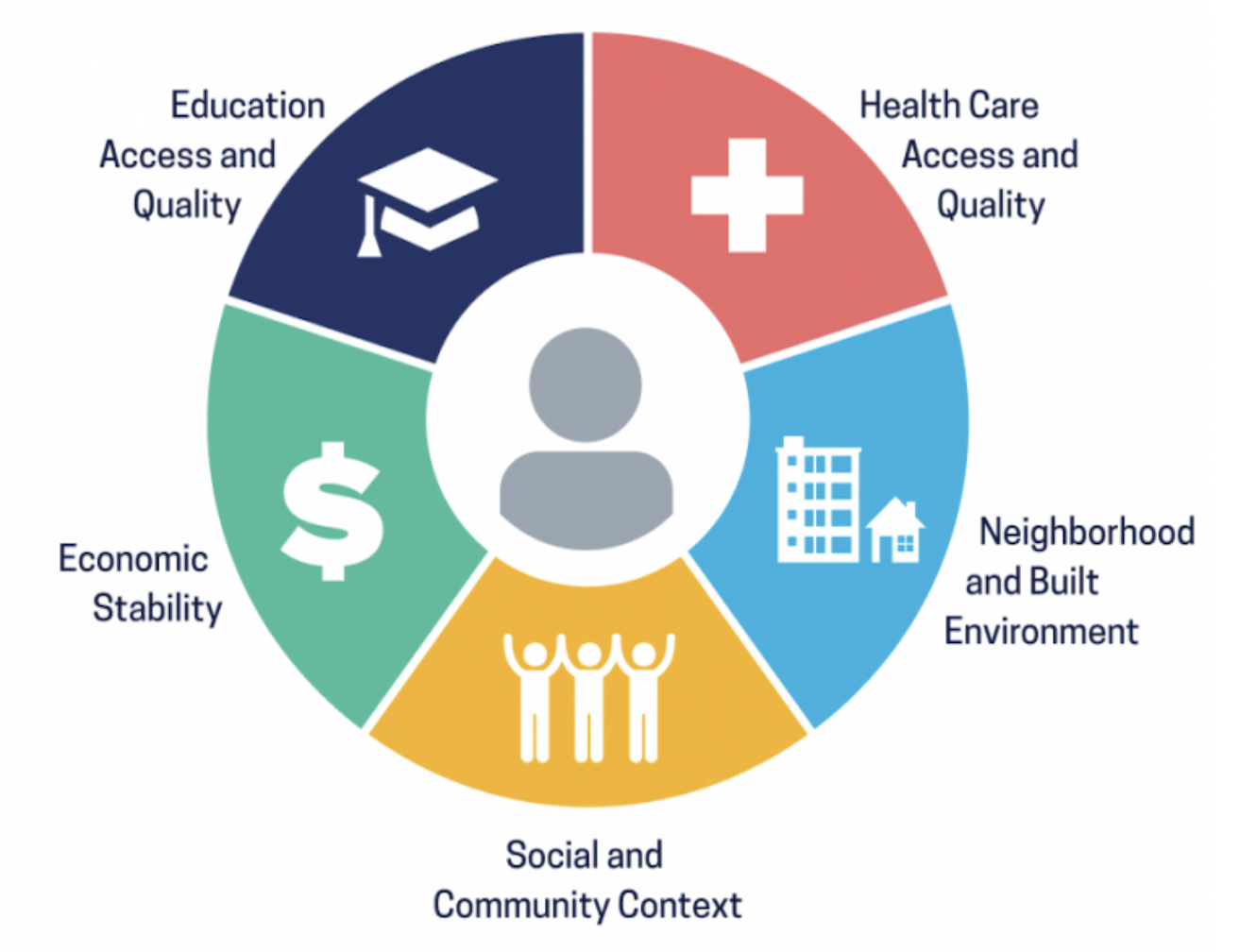
Learn MoreWe study how social and structural conditions, including socioeconomic context, neighborhood environments, and culture, that influence cognitive trajectories, biomarker accumulation, and access to neuropsychological services.
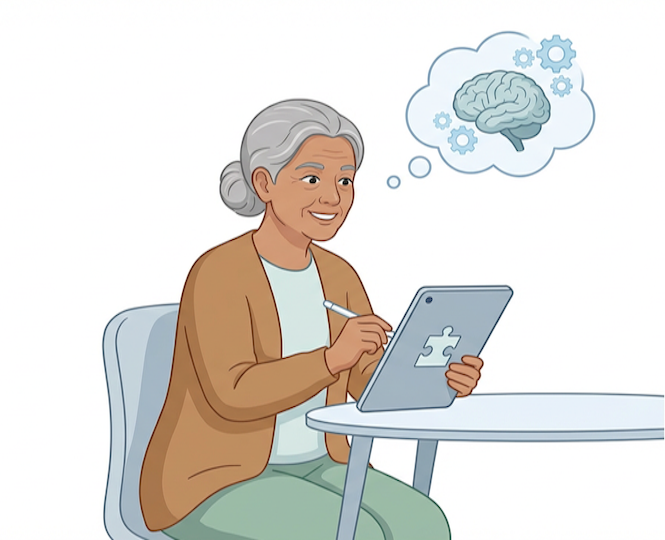
Learn MoreWe believe that the future of brain health is real-world, real-time, and accessible. We use digital tools to capture cognition and daily experiences as they unfold, revealing patterns that traditional assessments miss and expanding who gets to be represented in science.
Learn MoreScience alone is not enough. We aim to transform neuropsychology by advancing equity in training, elevating diverse voices, and translating research into action so that knowledge drives meaningful change in clinical care, communities, and policy.
Learn MoreWe are seeking Ph.D. applicants with interests in cognitive aging, health equity, PTSD, digital health, or neuropsychological disparities. We especially encourage applications from underrepresented scholars.
Apply Now →Dr. Prieto joins the Department of Psychology as Assistant Professor and Clinical Neuropsychologist at the USC Brain Health Center, bringing the REACH Lab to Columbia, SC.
About Us →Dr. Prieto and colleagues publish a multimodal model of internalized epilepsy stigma, proposing a framework linking identity, perceived stigma, internalization, and outcomes.
Read More →Whether you're a prospective student, collaborator, community partner, or potential study participant, we'd love to hear from you.